Medical travel resource hub
Make the next decision with your eyes open.
Practical guides for researching treatment abroad: what to ask, what to protect and what to plan for if recovery is not straightforward.

Independent guidance for planning treatment abroad
Start here
Four guides to read before you choose a clinic
The foundational questions that shape insurance, evidence and aftercare.
- Checklist
How to check a clinic abroad before you book
Don't verify the clinic's claims on the clinic's website. A licence is legal permission to operate; accreditation is a voluntary quality programme — and both are checkable at source: the accreditor's public register, the health ministry's licence records, the professional register the named surgeon should appear on. Anything you can't verify independently is a claim, not a fact.
4 min readRead guide  Risk
RiskMedical tourism red flags: the complete list, stage by stage
The red flags of medical tourism cluster at four stages: how a provider markets to you, how it takes your money, how it plans your trip, and how it behaves once you're in the country. They share one root: a seller keeping you from verifying, comparing or documenting before you're committed. The universal test is simple — a claim you can't verify at source is not a fact, and a promise that isn't in writing doesn't exist. The complications reaching UK audits overwhelmingly come from providers waving several of these flags at once.
5 min readRead guide- Risk
What happens if surgery abroad goes wrong?
If a complication happens abroad, the treating clinic manages the emergency — after that, you're largely on your own unless you arranged protection in advance. The NHS will treat you when you're home, but it won't fix cosmetic results, and suing an overseas clinic from the UK is rarely realistic. The honest answer to 'what happens?' is: whatever you set up before you flew.
3 min readRead guide  Insurance
Surgery abroad insurance: what actually covers you
Standard travel insurance does not cover planned surgery abroad — and in most policies, it doesn't cover complications arising from it either. If your trip's purpose is treatment, you need specialist medical travel insurance, arranged before you book.
2 min readRead guide
Find the right starting point
What do you need help with?
Choose the question closest to the decision you are making now.
Explore by destination
Research the place as well as the procedure
Country hubs bring together local guidance, travel notes and clinic profiles.




Full library
Browse every guide by topic
Clear, sourced reading for each stage of planning and recovery.
Insurance & protection
Understand exclusions, specialist cover and the practical protection to arrange before you travel.
- 2 min read
Insurance
Surgery abroad insurance: what actually covers you
Standard travel insurance does not cover planned surgery abroad — and in most policies, it doesn't cover complications arising from it either. If your trip's purpose is treatment, you need specialist medical travel insurance, arranged before you book.
- 3 min read
Insurance
Does travel insurance cover cosmetic surgery abroad?
No. Standard travel insurance excludes trips taken for planned treatment, and in most policies the exclusion extends to complications of that treatment — the part people actually worry about. A GHIC doesn't fill the gap either. The only product built for a cosmetic surgery trip is specialist medical travel insurance, and even that never covers the procedure itself.
- 4 min read
Insurance
Insurance for surgery in Turkey: what you actually need
Turkey is where most UK treatment trips — and most of the UK's documented complications — happen, and none of the default safety nets apply there: a GHIC isn't valid in Turkey and standard travel insurance excludes treatment trips. Specialist cover for a Turkey procedure typically costs a small fraction of the package price. Arrange it before you pay a deposit, and treat any clinic's 'included insurance' as unverified until you've read the full wording.
- 5 min read
Insurance
Travel insurance after surgery: getting covered when you've just had an operation
Recent surgery is exactly what travel insurers price for, so the rules are strict and unforgiving: you must declare a recent operation (and usually any upcoming one) during medical screening, a policy bought without declaring it can be void from day one, and no policy covers you if you travel against medical advice or before you're signed fit to fly. Covered travel after surgery is entirely achievable — mainstream insurers take most post-op travellers after screening, and specialist medical insurers exist for the rest — but only if you declare honestly, time the trip around recovery, and read what 'related claims' are excluded. If the surgery is happening abroad, standard policies exclude the whole trip's purpose: that needs specialist cover arranged before you pay a deposit.
- 5 min read
Insurance
Repatriation insurance: the cover that gets you home
Repatriation cover is the part of travel insurance that pays to bring you home when you're too ill or injured to travel normally — a medical escort on a commercial flight, a stretcher installation, or a dedicated air ambulance. It's the single most expensive risk of being seriously unwell abroad: an air ambulance from the Mediterranean commonly runs into tens of thousands of pounds, and no state scheme pays it — a GHIC/EHIC covers state healthcare where you are, never the journey back. Most standard policies include repatriation, but the cover follows the policy's exclusions: if the trip was for planned surgery, a standard policy's repatriation cover excludes complications of that surgery — the exact scenario surgery-abroad patients need it for. That's what specialist medical travel cover exists to fix.
Risks & complications
Recognise warning signs, prepare for complications and know where responsibility may sit.
- 3 min read
Risk
What happens if surgery abroad goes wrong?
If a complication happens abroad, the treating clinic manages the emergency — after that, you're largely on your own unless you arranged protection in advance. The NHS will treat you when you're home, but it won't fix cosmetic results, and suing an overseas clinic from the UK is rarely realistic. The honest answer to 'what happens?' is: whatever you set up before you flew.
- 4 min read
Risk
Cosmetic surgery in Turkey: the risks, honestly
The documented risk of cosmetic surgery in Turkey is real, but it isn't evenly spread. UK audit data shows rising complications — mostly wound problems, seroma and infection — and NHS repair bills reaching five figures per patient. The pattern points less at 'Turkey' than at price-led package operators: sales-led booking, surgeons you can't name, minimal assessment, fast turnarounds. Turkey also has accredited hospitals and internationally published surgeons — the risk question is really a sorting question.
- 5 min read
Risk
What are 'Turkey teeth'? The honest explainer
'Turkey teeth' is British shorthand for the uniformly white, uniformly shaped smiles that come back from package dental trips to Turkey — and, increasingly, a warning label. Behind the phrase: most of these packages are not veneers but full crowns, which means grinding teeth (often healthy ones) down to pegs, irreversibly, across a whole smile in a few days. Done well, on the right teeth, treatment abroad can be legitimate and far cheaper than the UK; done as a volume package on healthy teeth, it commits you to a lifetime of re-crowning, root canals and repair bills that dwarf the original saving. The difference isn't the country — it's what's done to which teeth, and whether you knew before the drill started.
- 5 min read
Risk
'Turkey teeth' gone wrong: what to do now
If your Turkey teeth have gone wrong, deal with the clinical problem first and the money second. Anything with facial swelling, discharge or difficulty swallowing is urgent — call NHS 111 or use Find a dentist today. For everything else: gather your records and contract now, because the crowns fitted over ground-down teeth are usually the hardest work to reverse, UK dentists are cautious about adopting failed overseas work, and remedial treatment commonly costs more than the original trip saved. You are not without recourse — but the routes (the clinic's warranty, a Section 75 or chargeback claim, the GDC or CQC if a UK-based agency was involved) all depend on paperwork you should collect before it goes missing.
- 4 min read
Risk
'Turkey teeth' before and after: what the photos don't show
A 'Turkey teeth' before-and-after gallery shows the one moment the work will never look better: someone else's result, photographed hours after fitting, in clinic lighting. It can't show the same mouth at year five, or how much healthy tooth was ground away to get there. The photos that actually predict your outcome are the ones clinics rarely post — preparation shots of real cases, and long-term follow-ups. Treat the gallery as marketing, and ask for what it omits.
- 5 min read
Risk
Rhinoplasty gone wrong: the emergency, the swelling, and the hard revision
Rhinoplasty is the cosmetic operation most likely to need a second go: a large study of 175,842 patients put the revision rate at about 8% for cosmetic noses and 11% for a nose that had already been revised. But most 'rhinoplasty gone wrong' cannot fairly be judged for a year, because swelling — especially in the tip — hides the true result. Two things are genuine emergencies: a septal haematoma, which can destroy cartilage within about a day, and a spreading infection. Everything else — a scooped bridge, a pinched tip, breathing trouble from over-resection — is assessable, but revision is one of the hardest operations in the face and should wait at least twelve months.
- 5 min read
Risk
Botched BBL: the symptoms you can't wait on, and what to do next
A botched BBL splits into two very different problems, and telling them apart is the first job. Sudden breathlessness, chest pain or collapse in the days after surgery can be a fat embolism — the complication that gives the BBL the highest death rate of any cosmetic procedure — and spreading redness, fever or discharge can be sepsis: both are 999, not a WhatsApp to the clinic. Everything else — lumps, asymmetry, volume loss, a shape you hate — is usually assessable rather than urgent, and often can't be fairly judged or revised until months after surgery. Get assessed, document everything, and work the recourse routes with the paperwork in hand.
- 6 min read
Risk
Hair transplant gone wrong: too early to tell, or genuinely botched?
Most 'hair transplant gone wrong' searches happen too early to mean anything. A transplant takes about twelve months to show its result, the alarming shedding at weeks two to eight is normal shock loss, and the genuinely urgent signs — spreading infection, a dusky patch of possible necrosis, a high fever — are rare. The failures that are real split into two: the aesthetic ones you can assess and sometimes revise at a year, and the one you can't undo — an over-harvested donor area, because extracted follicles never grow back. And the reason so much Turkey work fails is specific: the specialty body says only trained, licensed physicians should be operating, and the cheapest clinics run on technicians.
- 5 min read
Risk
Signs of infection after surgery abroad: when to worry, and what to do
Go to A&E or call 999 now if you have signs of sepsis — confusion or slurred speech, blue, grey or blotchy skin, breathlessness, or a rash that doesn't fade under a glass. A surgical wound that is increasingly painful, red, hot, swollen or leaking pus — usually in the first week but up to about 30 days after surgery — needs same-day medical advice. Ordinary swelling and bruising are expected; a wound that is getting worse rather than better is not. This is general information, not a substitute for emergency care — if you are worried, seek help.
- 5 min read
Risk
Medical tourism red flags: the complete list, stage by stage
The red flags of medical tourism cluster at four stages: how a provider markets to you, how it takes your money, how it plans your trip, and how it behaves once you're in the country. They share one root: a seller keeping you from verifying, comparing or documenting before you're committed. The universal test is simple — a claim you can't verify at source is not a fact, and a promise that isn't in writing doesn't exist. The complications reaching UK audits overwhelmingly come from providers waving several of these flags at once.
- 7 min read
Risk
Gastric sleeve in Turkey: the honest cost, and the flight home that's the real risk
A gastric sleeve in Turkey is advertised at £2,200–£3,500 against £8,000–£12,000 privately in the UK — but the price gap hides two costs the package never lists: the complication window and the lifelong follow-up. The sleeve's dangerous early failure is a staple-line leak, and the evidence is uncomfortable for the package model: most leaks appear after day three, once the standard two-to-three-night discharge has already put you on a plane home. This is a real operation with a small but serious risk profile and a lifetime of nutritional monitoring attached, and the cheapest package is the worst place to economise on the days, the team and the aftercare that make it safe.
- 5 min read
Risk
Revision surgery after treatment abroad: the second-operation problem
A revision is not the same operation done again — it's a harder operation done in a changed body. Scar tissue, altered anatomy and an unknown prior technique make second surgery more complex everywhere, which is why many UK surgeons are reluctant to take on work they didn't do, why the NHS treats emergencies but doesn't fund routine corrections, and why the original clinic's 'free revision' usually leaves you paying for flights, hotels and time off to return to the surgeon whose work needs correcting. Your strongest asset in every scenario is the same: complete documentation of what was actually done.
- 4 min read
Risk
Cosmetic surgery in Egypt: what UK patients should weigh first
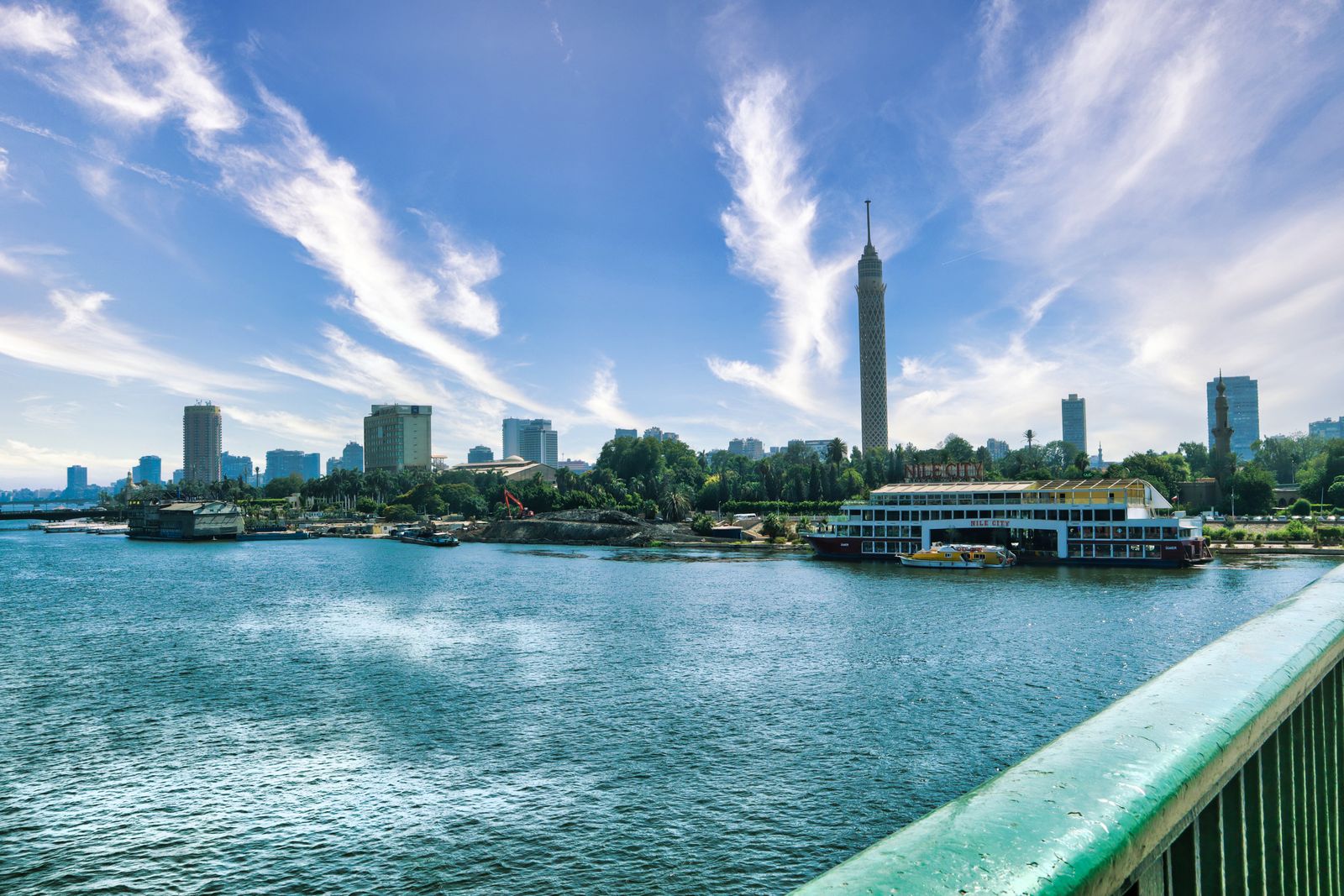
Egypt has a genuine top tier — a small number of Cairo private hospitals hold international accreditation such as JCI, alongside Egypt's own GAHAR system — and below it the widest quality range of any destination we cover. Egypt can work at that accredited top tier; everywhere below it, the burden of verification sits entirely on you, five hours from home.
Countries & costs
Compare destinations and published costs without treating the cheapest option as the best one.
- 4 min read
Comparison
How much are 'Turkey teeth' — and the cost the quote leaves out
Turkey teeth are cheap on the day and expensive over a lifetime. Per-tooth prices in Turkey commonly run £150–£350 against £400–£1,000+ for UK private work (indicative, 2026) — but the number quoted from selfies isn't the number you pay, and the sticker price ignores the real maths. Veneers and crowns last around 10–15 years, then every treated tooth needs re-doing, and crowns fitted over ground-down teeth commit you to re-crowning for life. Compare lifetime cost, not headline price — and pay by credit card so a Section 75 claim is available if it goes wrong.
- 4 min read
Comparison
How much does a hair transplant in Turkey cost — and why the cheapest quote is a warning
All-inclusive hair transplant packages in Turkey commonly run £1,650–£4,400 against £8,000–£12,000+ in the UK (indicative, 2026) — a real saving, but the headline price hides the parts that matter. Below roughly £1,500 the low price itself is the warning: those are the high-volume, technician-led operations the ISHRS cautions about, where over-harvesting a finite donor area is how the margin is made. Cost the whole picture — a possible second procedure, long-term medication, flights, and complication cover — then pay by card so recourse exists if it under-delivers.
- 3 min read
Comparison
Albania vs Turkey for dental implants: an honest comparison
Turkey offers a mature, high-volume implant industry with real accreditation depth; Albania often quotes lower prices, is an hour closer, and has a younger industry with fewer independent quality signals. Neither country is 'the answer' — the specific clinic is, and its willingness to disclose is how you tell.
- 3 min read
Comparison
Egypt vs Turkey for medical tourism: what UK patients should weigh
Turkey has the more organised industry for international patients; Egypt often has the lower prices — and the widest quality range of any destination UK patients seriously consider. Egypt can work well at its small accredited Cairo top tier; it demands more research discipline everywhere below it. Turkey is the easier trip; neither is the safer choice by default.
- 4 min read
Comparison
Best countries for dental implants abroad: which trade-off fits you
There is no single best country for dental implants — there are different trade-offs. Turkey and Albania offer the lowest prices outside the EU's regulatory umbrella; Poland and Lithuania trade a slightly higher bill for EU regulation and two-hour flights; Spain costs more again for the most familiar setting. The same implant brands appear in all five. What varies is everything around them — and the clinic you choose matters more than the flag it sits under.
- 4 min read
Comparison
Best countries for cosmetic surgery abroad: which trade-off fits you
There is no single best country for cosmetic surgery — there are different trade-offs. Turkey offers the biggest industry and savings commonly 50–70% below UK private quotes, with the widest quality range to match; Spain trades a smaller saving for EU regulation and a two-hour flight; Poland sits between them; Egypt can undercut them all, with the widest gap between its accredited top tier and the rest. What the UK audit data actually shows is that risk concentrates in an operating model, not a flag — which makes the clinic you choose matter more than the country it sits in.
- 4 min read
Comparison
Best countries for bariatric surgery abroad: weigh the team, not the price
Bariatric surgery is not a procedure with a recovery period — it's metabolic surgery with a lifetime of follow-up attached. NICE expects a minimum of two years of specialist follow-up and then annual nutritional monitoring for life; a UK patient who self-funds abroad usually comes home to no formal pathway at all. That reframes the country comparison: Turkey offers the biggest volumes and lowest prices, Lithuania and Poland trade a smaller saving for EU regulation and flights short enough to make real follow-up visits practical. Wherever you go, the cheapest gastric sleeve is the worst possible place to economise on the team around it.
- 5 min read
Comparison
Hair transplant in Albania: the cheaper Turkey alternative, examined honestly
Tirana's hair-transplant clinics commonly publish prices around £850–£2,150 for a standard case — often below Turkey's £1,650–£4,400 all-inclusive packages, and far below the £8,000–£12,000+ a surgeon-led procedure costs privately in the UK (indicative, mid-2026). But Albania's saving is narrower than it looks once you add the hotel, transfers and translator that Turkey routinely bundles, its market is younger with no JCI-accredited facilities, and the ISHRS's warning about unlicensed technicians performing the surgery applies just as much in Tirana as in Istanbul. The clinic decides the result, not the country.
- 5 min read
Comparison
Cosmetic surgery in Albania: cheaper than Turkey, but a younger market to vet harder
Albania's cosmetic clinics often quote below Turkey, which in turn sits 50–70% below UK private prices (indicative, mid-2026) — but price is the wrong headline to lead with. Albania's cosmetic industry is far younger and thinner than Turkey's high-volume sector, no Albanian facility appears on JCI's public register, and for the highest-risk operations — the BBL above all, which the NHS states has the highest death rate of any cosmetic procedure — a smaller, less-scrutinised market is where the case for caution is strongest. For straightforward procedures at a well-vetted Tirana clinic the saving can be real; the vetting, not the country, is what makes it safe.
- 4 min read
Comparison
Albania vs Turkey for medical treatment: the honest destination comparison
Turkey is the mature, high-volume choice with international-patient infrastructure and one of the world's largest concentrations of JCI accreditation; Albania is the fast-rising challenger — often cheaper, an hour closer, but younger, thinner on independent quality signals, and with no facility on JCI's register. Neither country is safer by default. The right answer depends on the procedure and, far more, on the specific clinic's willingness to disclose — which is what this comparison, and the procedure guides it links to, is built to test.
- 4 min read
Comparison
Hair transplant in Egypt: cheaper than Turkey, but the widest quality range to navigate
Cairo's hair-transplant clinics frequently quote below Turkish packages, and far below the £8,000–£12,000+ a surgeon-led procedure costs in the UK (indicative, mid-2026). But Egypt is not a smaller Turkey: it has the widest quality range of any destination UK patients seriously consider — a small, genuinely accredited top tier above a vast, uneven private market — and the ISHRS's warning that a doctor, not an unsupervised technician, should perform the surgery applies just as much in Cairo as in Istanbul. The saving can be real at the right clinic; proving you've found it is the whole job.
- 5 min read
Comparison
IVF abroad: what's cheaper, what's different, and what UK regulation is protecting you from
IVF abroad can cost less than a UK private cycle and often has shorter waits for donor eggs — but two things are widely misunderstood. First, success is driven by your age and clinical picture far more than by the country: a cheaper clinic is not a better-odds clinic. Second, the price gap can hide safeguards UK regulation builds in — single-embryo transfer to avoid risky multiple births, strict donor rules including a 10-family limit and a child's right to identifying information at 18, and a public traffic-light system flagging unproven 'add-ons'. IVF abroad can be a sound choice; make it on the trade-offs, not the headline price.
- 4 min read
Comparison
Cosmetic surgery in Lithuania: the EU-regulated alternative to Turkey, examined honestly
Lithuania is one of the oldest UK cosmetic-surgery routes for a reason: prices sit below UK private, the flight is under three hours, and — unlike Turkey — treatment happens inside the EU regulatory system, with EU professional standards, device traceability and GDPR. That framework is a genuine advantage. But EU regulation is not a substitute for vetting the individual surgeon and clinic, it doesn't remove the aftercare gap of recovering three hours from your surgeon, and for the highest-risk procedures the same cautions apply as anywhere. A strong option for the right patient — chosen on the clinic, not the flag.
- 4 min read
Comparison
Tummy tuck in Lithuania: the EU-regulated route for the UK's most-searched body procedure
Lithuania is where a large share of UK abdominoplasty patients already go — prices below UK private, EU regulation, and a flight of around two and a half hours. That proximity is not a convenience here; it's a safety feature, because a tummy tuck carries one of the higher blood-clot risks in cosmetic surgery and flying too soon after major abdominal surgery compounds it. This is real surgery with a weeks-long recovery, drains, and a clot and seroma risk to plan around — not a quick package. Chosen for the clinic and the recovery plan, Lithuania is a strong option; chosen on price alone, it isn't.
- 4 min read
Comparison
Mummy makeover in Lithuania: combining procedures abroad, and the extra caution it needs
A mummy makeover bundles a tummy tuck with breast surgery — an uplift, augmentation or both — and sometimes liposuction, into one operation, and Lithuania is a popular EU-regulated route for it. The appeal is genuine: one recovery, one trip, one price below UK private. The catch is that combining procedures lengthens the anaesthetic and adds the risks together — more time under, a higher blood-clot and complication risk, and a bigger recovery — so the decision that matters most is not the country but whether to do it all at once at all. This is major surgery; treat the combination as the main risk, and vet accordingly.
- 4 min read
Comparison
Cosmetic surgery in Spain: the premium, closer, EU-regulated option — not the cheap one
Spain is the cosmetic-surgery destination for a different reason from Turkey or Albania: not rock-bottom price, but a short flight, the EU regulatory framework, and standards comparable to UK private care — often at a modest saving rather than a dramatic one. For a UK patient whose priority is 'abroad but as safe and close as possible', Spain answers that well. For someone chasing the lowest number, it won't — and pretending otherwise is how patients end up disappointed. Choose Spain for the standard and the proximity, and vet the clinic as carefully as anywhere.
Planning checklists
Questions, documents and practical checks to work through before paying a deposit.
- 4 min read
Checklist
'Turkey teeth' reviews: how to read them, and is it safe?
'Is it safe?' isn't a yes/no about Turkey — it's a sorting question about the clinic, and reviews are a weak tool for answering it unless you read them properly. Hosted testimonial walls and five-star averages can be curated, incentivised or review-gated, and the unhappy patients tend to drop off rather than post. Weight evidence the clinic can't edit, verify the individual dentist rather than the brand, and treat reviews as one signal among several — with a written per-tooth plan, UK-reachable aftercare and complication cover doing the real work.
- 4 min read
Checklist
How to check a clinic abroad before you book
Don't verify the clinic's claims on the clinic's website. A licence is legal permission to operate; accreditation is a voluntary quality programme — and both are checkable at source: the accreditor's public register, the health ministry's licence records, the professional register the named surgeon should appear on. Anything you can't verify independently is a claim, not a fact.
- 4 min read
Checklist
What to ask before paying a clinic deposit
A deposit is the moment your leverage peaks — after it, every term you didn't get in writing is decided by the clinic. Before paying: an itemised quote in a stated currency, the legal name of the entity you're paying, deposit, cancellation and refund terms in writing, and the unsuitable-on-arrival scenario answered. Then pay by UK credit card if you can — the method decides your recourse. Bank transfer to a personal account or a request for crypto isn't a payment option; it's your cue to walk away.
- 3 min read
Checklist
Dental implants abroad: the pre-commitment checklist
Implant treatment done properly is usually two trips around three months apart, on a named implant system, planned from a CBCT scan, under an itemised quote and a written warranty. Anything a clinic won't put in writing before you pay — treatment plan, brand, price breakdown, between-trip contact — is the thing most likely to go wrong later.
- 4 min read
Checklist
'Best' dental implants in Turkey: what the word should mean before you trust a list
Most 'best dental implants in Turkey' lists rank clinics that paid to be on them, not clinics verified to be good. For an implant — a component you'll carry for decades — 'best' means specific, checkable things: a named oral surgeon (not just a dentist) placing them, an internationally documented implant brand in writing, CBCT-led planning before any promise, honest same-day suitability, and aftercare that a UK dentist can pick up. Use ranked lists to build a shortlist; use these criteria to judge it.
- 3 min read
Checklist
Rhinoplasty in Turkey: the checklist that matters
Rhinoplasty in Turkey costs a fraction of UK private prices, and Istanbul has genuinely experienced specialist surgeons. It is also the procedure where surgeon selection matters most and revision is hardest — so the whole decision compresses into one question: can you verify who is operating, and their rhinoplasty record specifically?
- 3 min read
Checklist
Tummy tuck in Turkey: the checklist that matters
A tummy tuck is major abdominal surgery with one of the higher complication profiles in cosmetic surgery — wound problems and seroma lead the UK data on patients returning from abroad. Turkey's prices are real, and so is the recovery: plan for 10+ days in-country, drains, and a surgeon honest enough to tell you if you're not a good candidate yet.
- 4 min read
Checklist
BBL in Turkey: the checklist that matters
A BBL in Turkey costs a fraction of UK prices — and the Brazilian butt lift is the one procedure where that framing is dangerous. The NHS states plainly that BBL surgery has the highest death rate of all cosmetic procedures, because fat injected into the gluteal muscle can enter a blood vessel and block the lungs. Modern technique — fat placed under the skin only, guided by ultrasound — is what changed the risk profile, and whether your surgeon uses it is the whole decision. This is the worst place in all of cosmetic surgery to shop on price.
- 5 min read
Checklist
Breast augmentation in Turkey: the checklist that matters
Breast augmentation in Turkey is heavily marketed to UK patients and the packages are real — but so is the thing the quotes never mention: implants are not lifetime devices. The NHS is explicit that they will likely need replacing, some within about 10 years, and every future revision is a cost you carry. That reframes the decision: you're not buying one operation, you're choosing the first surgeon in a decades-long relationship with two medical devices — so the paperwork (implant brand, serial numbers, registry entry) matters as much as the price.
- 4 min read
Checklist
Veneers in Turkey and 'Turkey teeth': the checklist before you book
Most 'Turkey teeth' packages sold to UK patients are not veneers — they are full crowns, which means grinding healthy teeth down to pegs, irreversibly. Before getting teeth in Turkey, get one answer in writing, per tooth: veneers or crowns? The before-and-after photos show day one, not year five — and in a British Dental Association survey, crowns were the treatment abroad most likely to need follow-up work back home.
- 4 min read
Checklist
Dental implants in Turkey: what the cost really includes — a checklist
The honest answer on dental implants in Turkey cost: roughly £450–£800 per implant against £2,000–£2,500 privately in the UK, and full-arch All-on-4 packages quoted anywhere from about £2,000 to £6,500 per arch against UK quotes of £10,000+ (indicative, mid-2026). The spread is that wide because quotes include very different things — and what's excluded, from the final restoration material to the second trip, is where budgets break. This checklist turns a headline price into a real one.
- 4 min read
Checklist
Hair transplant in Turkey: is it safe, and what to ask before you book
A hair transplant in Turkey is as safe as the specific operation you walk into — and the question that decides it is who actually performs the surgery. The International Society of Hair Restoration Surgery warns that in parts of this market the surgeon on the website is not the person harvesting your grafts or designing your hairline; technicians are. This checklist is built around forcing that disclosure before you pay, along with the graft-count, setting and aftercare questions that separate surgical clinics from package operations.
- 4 min read
Checklist
'Best' hair transplant clinic in Turkey: how to judge it when every list is selling
There is no neutral 'best hair transplant clinic in Turkey' list — the rankings are mostly paid placements, and the clinics that dominate search results are the ones best at marketing, not necessarily surgery. 'Best' has a checkable meaning in this procedure: a named, registered doctor who actually performs the hairline design and harvesting (the ISHRS's central test), a graft plan set by your donor area rather than a sales target, licensed premises, and aftercare that still answers in month six. Use lists to gather names; use these criteria to judge them.
- 4 min read
Checklist
Hair transplant Turkey reviews: how to read them before you trust them
Hair transplant reviews have a structural flaw: the result takes about twelve months to appear, but most reviews are written in week one — when the patient is post-op, hopeful, and often reviewing the hotel and transfers rather than the surgery. Add incentivised reviews, sponsored influencer trips and curated testimonial walls, and a five-star average tells you how a clinic runs a trip, not whether grafts survive. Read reviews for the twelve-month accounts and how complaints get answered — then verify the things no review can: who operates, the licence, and the aftercare terms.
- 4 min read
Checklist
What documents to get after surgery abroad — before you fly home
Before you leave the clinic — and certainly before you leave the country — get complete written records: operation notes, implant or graft details with lot numbers, a discharge summary, your medication list, a fit-to-fly letter, your imaging, an itemised invoice, and the clinic's escalation contact in writing. UK GPs, dentists and insurers can only work with what you can show them. Every missing document slows your care, weakens your claim, or both — and clinics answer requests far more slowly once you've paid and flown.
- 5 min read
Checklist
What a real clinic aftercare policy contains — and what "great aftercare!" means
"Great aftercare!" is a marketing phrase; an aftercare policy is a document. A real one names things: who you contact, how fast they respond, when your photos are reviewed, what counts as a complication, what happens when you're back in the UK, and who pays for what. The test is brutal and simple — ask for the policy in writing before you pay a deposit. If it's not in writing, it doesn't exist; and because the NHS won't provide routine follow-up of private overseas work, this document is most of the aftercare you'll actually have.
- 4 min read
Checklist
The ReturnReady treatment-abroad checklist: are you ready to go — and to come back?
Readiness for treatment abroad isn't a feeling — it's five specific areas where the avoidable harm concentrates: insurance that actually responds, clinic evidence you've verified, aftercare in writing, a return-home plan matched to recovery, and the documentation that protects your money and your UK care. This page is the manual version of our ReturnReady Check: the same five dimensions, the same questions, worked through as a checklist. It measures planning and protection gaps, not medical fitness — your clinicians decide that. If you'd rather have your answers scored and your gaps listed for you, take the interactive Check.
- 4 min read
Checklist
Dental implants in Albania: the checklist that matters
Albania's implant prices are real — quotes from Tirana clinics frequently undercut even Turkey, at a fraction of UK private fees. What Albania doesn't have is Turkey's accreditation depth: no Albanian facility appears on JCI's public register, so the clinic's own disclosure — named clinician, implant brand in writing, CBCT before the plan — has to do almost all of the vetting work.
- 4 min read
Checklist
Dental treatment in Egypt: cheap Cairo dentistry, and the tier you have to verify
Cairo's dental clinics frequently quote below Turkey and a fraction of UK private fees, and Egypt's top tier is genuinely established — some hospitals internationally accredited, clinicians trained in Europe. But Egypt has the widest quality range of any destination UK patients consider, so the vetting job is to confirm you're at that accredited tier rather than in the vast, uneven market below it. Add a five-hour flight and a visa, and the two-trip reality of implants, and the checklist — named dentist, implant brand in writing, a CBCT scan, a warranty you can actually use — does the work.
- 3 min read
Checklist
IVF in Spain for UK patients: the checklist that matters
Spain is Europe's most active country for assisted reproduction — over 100,000 treatment cycles a year in ESHRE registry data — with strong donor availability and clinics that treat UK patients routinely. The decision that deserves the most thought isn't clinical: Spanish law makes donation anonymous, permanently, while UK-conceived donor children can learn their donor's identity at 18. Choose the geography and you choose that feature of your child's story.
- 4 min read
Checklist
How to spot fake clinic reviews — and where the real signal actually is
Reviews carry enormous weight in choosing a clinic abroad — and that's exactly why they're manipulated. Since 6 April 2025, fake and concealed incentivised reviews are illegal in the UK under the Digital Markets, Competition and Consumers Act 2024, with fines up to £300,000 or 10% of global turnover — but enforcement is patchy and much clinic marketing sits offshore. The practical defence is knowing the manipulation patterns, reading review platforms critically, and leaning on the signals that can't be faked: public professional registers, verified-treatment reviews, and unfiltered complication discussions.
- 4 min read
Checklist
Mommy makeover in Turkey: the checklist that matters
A 'mommy makeover' is not one procedure — it's stacked major surgery: an abdominoplasty plus breast surgery, often with liposuction, under one long anaesthetic. The published data is blunt about what stacking does: in a study of 25,478 abdominoplasties, major complication rates rose from 3.1% for abdominoplasty alone to as high as 10.4% with multiple combined procedures. Turkey's package prices are real; so is the arithmetic — and so is a recovery in which you cannot lift your own children for weeks.
Recovery & aftercare
Plan for healing, travel home and follow-up care once you are back in the UK.
- 4 min read
Aftercare
Flying after surgery: how long to wait, and why it matters
There is no single safe number of days — but there are floors. UK CAA guidance puts major chest or abdominal surgery at around ten days before flying, and NHS guidance treats recent surgery plus a flight of four hours or more as a raised clot risk. For surgery abroad, plan around the per-procedure minimums below, book a changeable return, and treat the final decision as your surgeon's — not your airline's, and not your original booking's.
- 4 min read
Aftercare
UK aftercare after surgery abroad: what the NHS will and won't do
The NHS will always treat an emergency — sepsis, a haemorrhage, a suspected clot — whatever country the surgery happened in. What it won't reliably do is routine follow-up of private treatment done overseas, and it won't fund revision of a disappointing result. The workable plan is set up before you fly: tell your GP you're going, bring complete records home, see your GP promptly on return even if you feel fine, and have a named UK follow-up route arranged in advance rather than improvised after something has gone wrong.
- 5 min read
Aftercare
Hair transplant recovery timeline: what's normal, week by week — and what isn't
A hair transplant heals in predictable stages, and knowing them stops the normal ones frightening you and the abnormal ones being ignored. Scabs form in the first days and fall away by around day 10–14; transplanted hairs then shed between weeks two and eight — 'shock loss', which looks alarming but is expected and does not mean failure; new growth starts around months three to four, and most of the final result is visible by nine to twelve months, maturing up to eighteen. What is not normal — spreading redness, pus, fever or severe pain — is a complication, not a phase, and matters more when your clinic is in another country.
- 4 min read
Aftercare
Tummy tuck recovery timeline: what's normal week by week — and the clot risk to watch
An abdominoplasty heals in stages, and knowing them keeps the normal ones from frightening you and the dangerous ones from being missed. Expect drains and a stooped posture in week one, a compression garment for about six weeks, desk work at around two to three weeks and physical work at four to six, with scars fading over twelve to eighteen months. The two things to watch closely are a blood clot — calf pain or swelling, and above all sudden breathlessness or chest pain, which is a 999 emergency — and a seroma, a fluid build-up that may need draining. This is general information, not a substitute for medical care.
- 4 min read
Aftercare
Rhinoplasty recovery timeline: what's normal week by week, and when to worry
A nose job heals in slow, predictable stages, and the biggest mistake is judging the result too early. Expect a splint for about a week, bruising and swelling that peak in the first three days and fade over two to four weeks, a return to desk work at around two weeks and exercise at four to six. The nose keeps refining for far longer: roughly two-thirds of the swelling is gone by a month, most by six, and the final shape can take a full year — longer for the tip and for thicker skin. This is general information, not a substitute for medical care; if something looks or feels wrong, get it checked.
- 4 min read
Aftercare
Breast augmentation recovery timeline: week by week, and what 'drop and fluff' really means
Recovery after a boob job runs on two clocks: how you feel, which improves within weeks, and how the implants look, which takes months to settle. Expect tightness and soreness for the first week or two, a surgical bra then a supportive sports bra rather than underwire, no heavy lifting or upper-body exercise for around six weeks, and implants that sit high and firm at first before dropping into a natural position — 'drop and fluff' — over roughly three to six months. The signs to act on are a suddenly swollen, hard or very painful breast (a possible haematoma) and the usual infection red flags. This is general information, not medical advice.
- 4 min read
Aftercare
BBL recovery timeline: the no-sitting rule, the danger window, and what settles when
A Brazilian butt lift has an unusual recovery built around one rule — no sitting or lying directly on your buttocks for about two weeks — because pressure in that window can kill transferred fat and cost you the result. Expect a compression garment for six to eight weeks, swelling that hides the outcome for months, and a final shape at around six months once the surviving fat (roughly 60–80%) has settled. But the BBL's defining feature is its acute risk: sudden breathlessness or chest pain in the days after surgery can be a fat embolism, the complication that gives the BBL the highest death rate in cosmetic surgery — a 999 emergency, not a phase. This is general information, not medical advice.